
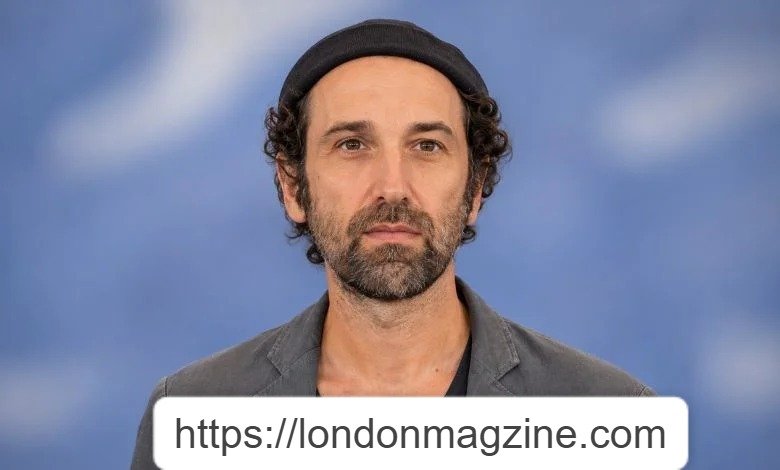
The name Thomas Bankalter attracts attention from music enthusiasts who want to discover more about the creative personality behind one of the most influential electronic music groups in history. Although the keyword is frequently written as Thomas Bankalter, the musician’s correct surname is Thomas Bangalter. He is a French composer, producer and musician best known as one half of Daft Punk, the legendary electronic duo that helped transform international dance music.
For German audiences, his story is particularly interesting because of the connection between French house music and the wider European electronic music movement. His career combines underground club culture, international chart success, experimental sound production and classical composition. Rather than following one musical direction throughout his life, Bangalter has continually explored new creative possibilities. His journey demonstrates how an artist can influence popular culture while maintaining an independent artistic identity.
Who Is Thomas Bankalter?
Thomas Bankalter is a commonly searched spelling of Thomas Bangalter, a French musician born in Paris on 3 January 1975. He became internationally recognised through Daft Punk, which he formed with fellow musician Guy-Manuel de Homem-Christo during the early 1990s.
The duo became famous for combining electronic house music with disco, funk, pop and futuristic production techniques. Their music reached audiences far beyond traditional nightclub communities, making electronic dance music more accessible to mainstream listeners.
Bangalter is not simply a former member of a successful musical partnership. He has also developed an individual career involving record production, independent releases, film composition and orchestral music. These different activities reveal a musician whose creative interests extend well beyond the robotic image associated with Daft Punk.
His influence can be understood through the development of French electronic music, particularly the movement commonly known as French house. This style helped establish France as an important centre of international dance music during the 1990s and early 2000s.
Early Life and Family Background
Growing Up in Paris
Thomas Bangalter was born and raised in Paris, France, a city with a rich artistic and cultural history. Growing up in such an environment provided opportunities to experience different forms of music, cinema and creative expression.
Music became part of his life at an early age. He began learning the piano when he was approximately six years old, developing an understanding of melody, rhythm and musical structure. His early training helped establish a foundation that would later support his experiments with synthesizers and electronic production.
His musical education was not limited to learning an instrument. Exposure to different musical styles encouraged him to explore how sounds could be combined and transformed. These early experiences eventually became important elements of his distinctive production approach.
His Parents and Musical Influences
Bangalter grew up in a family connected to the arts. His father, Daniel Bangalter, professionally known as Daniel Vangarde, was a songwriter and record producer who worked with several successful musical acts.
Daniel Vangarde’s professional experience meant that Thomas had an early connection to the practical side of the music industry. He could become familiar with the creative environment surrounding recording, songwriting and musical production.
His mother, Thérèse Thoreux, was associated with dance and choreography. This artistic background provided another perspective on creative expression, particularly the relationship between music and movement.
Although his family environment influenced his development, Bangalter eventually established an individual musical identity. His career was not simply an extension of his father’s work. Instead, he developed an approach that brought together electronic technology, experimentation and his own musical interests.
Education and Meeting Guy-Manuel de Homem-Christo
An important chapter in the story of Thomas Bankalter began during his school years in Paris. He attended Lycée Carnot, where he met Guy-Manuel de Homem-Christo in 1987.
Their friendship developed through shared interests in music and cinema. Both teenagers enjoyed exploring different artistic influences, and their conversations eventually developed into a creative partnership.
The connection between the two young musicians became particularly important because they had complementary interests. Their collaboration allowed them to experiment with different sounds and gradually discover a musical direction of their own.
Before Daft Punk became internationally recognised, they participated in an earlier band called Darlin’. The group also included Laurent Brancowitz, who later became associated with the French rock band Phoenix.
Darlin’ was a short-lived project, but it provided an important learning experience. It allowed the musicians to work together, perform and explore their creative ideas before moving towards electronic music.
The name Daft Punk was later inspired by a critical description of Darlin’s music. What initially appeared to be a negative comment eventually became the identity of one of the world’s most recognisable electronic music acts.
The Formation of Daft Punk
From School Friendship to Musical Partnership
The creation of Daft Punk in 1993 marked a turning point in Bangalter’s professional life. By this time, he and Guy-Manuel de Homem-Christo had developed a strong interest in electronic music and the emerging international house scene.
The pair recognised that electronic instruments offered opportunities to create sounds that differed from conventional rock and pop arrangements. They experimented with production equipment, drum machines, synthesizers and sampling techniques.
Their early releases attracted attention within the underground dance music community. Gradually, their recordings reached a wider audience, establishing Daft Punk as an important part of the French electronic movement.
Their partnership worked because both musicians shared a willingness to experiment. Instead of treating electronic music as a collection of repetitive rhythms, they approached production as a creative process involving melody, atmosphere and carefully constructed sound.
The Meaning Behind the Robot Identity
One of Daft Punk’s most memorable decisions was the development of their robotic appearance. The helmets became a central part of their public identity and helped separate their private lives from their professional careers.
For audiences, the image created a sense of mystery. People could recognise the musicians through their distinctive costumes without needing to see their faces.
The robot concept also complemented the futuristic qualities of their music. Electronic production, technology and visual storytelling became connected elements of the group’s identity.
This approach was particularly effective in an entertainment industry where musicians were often expected to maintain a constant public presence. Daft Punk created an alternative model in which the music and artistic concept received more attention than the everyday personalities of its members.
Homework: The Album That Introduced Daft Punk to the World
Released in 1997, Homework was Daft Punk’s first studio album and a defining achievement in the history of electronic dance music.
The record introduced a distinctive sound built around house rhythms, repetitive structures and experimental production. It reflected the energy of underground clubs while offering tracks that could appeal to a much larger audience.
Two recordings became especially important to the album’s success. Da Funk demonstrated the duo’s ability to create a recognisable electronic sound with strong rhythmic energy. Around the World became famous for its repeated vocal phrase and carefully developed instrumental arrangement.
The success of Homework helped establish Daft Punk internationally. It also strengthened the reputation of French house music, which became increasingly influential throughout Europe and beyond.
For Thomas Bangalter, the album provided an opportunity to demonstrate his production skills and creative vision. It proved that electronic music could achieve international popularity without losing its experimental character.
Discovery and a New Musical Direction
The Release of a Landmark Album
In 2001, Daft Punk released Discovery, an album that represented a major development in their musical identity.
While Homework was strongly connected to underground house music, Discovery explored a broader range of influences. Elements of disco, funk, pop and electronic music were brought together in a more melodic and accessible style.
The album became widely recognised for its memorable tracks and distinctive production. One More Time became an international success, while Digital Love and Harder, Better, Faster, Stronger further demonstrated the duo’s ability to create music with both technical detail and emotional appeal.
Why Discovery Was Important
Discovery helped change how many listeners understood electronic music. It demonstrated that electronic production could support memorable melodies, expressive arrangements and a strong sense of musical storytelling.
The album also connected different generations of musical influences. Older disco and funk sounds were transformed through modern production techniques, creating recordings that felt familiar and innovative at the same time.
For German electronic music fans, Discovery remains an important example of how French producers contributed to the wider European dance music scene.
Human After All and the Development of Their Sound
Daft Punk continued experimenting with their musical identity through Human After All, released in 2005.
The album adopted a more direct and repetitive electronic approach than Discovery. Its sound was comparatively raw, with prominent guitar elements and rhythmic patterns.
Although reactions to the album differed from those received by earlier releases, it became another important part of the duo’s artistic development.
The record showed that Bangalter and his partner were not interested in repeating the same formula simply because it had previously been successful. They continued to explore new production methods and different musical directions.
This willingness to take creative risks became a defining characteristic of their professional relationship.
Alive 2007 and Their Influence on Live Electronic Music
Daft Punk’s Alive 2007 tour demonstrated how electronic music could be presented as an impressive live experience.
Instead of relying on a traditional concert format, the duo created performances that combined different recordings into continuous musical arrangements. Tracks from several periods of their career were reworked and connected in new ways.
The performances attracted international attention and helped establish a new standard for large-scale electronic concerts.
The associated live album received widespread recognition and won the Grammy Award for Best Electronic/Dance Album in 2009.
Alive 2007 remains an important moment in the history of electronic performance because it demonstrated how recorded music could be transformed into a dynamic live production.
Random Access Memories and Global Recognition
A Different Approach to Recording
In 2013, Daft Punk released Random Access Memories, an album that became one of the most successful projects of their career.
The record explored a warmer musical direction, drawing inspiration from disco, funk and traditional studio recording techniques. Rather than depending entirely on programmed electronic sounds, the duo collaborated with a range of musicians and performers.
The album included contributions from artists such as Pharrell Williams, Nile Rodgers and Giorgio Moroder.
Its most famous track, Get Lucky, became an international hit and introduced Daft Punk to another generation of listeners.
Grammy Awards and International Success
Random Access Memories received major recognition at the 56th Annual Grammy Awards in 2014. It won Album of the Year, while Get Lucky received awards including Record of the Year.
The album’s success confirmed Daft Punk’s position as one of the most influential acts in modern electronic music.
It also demonstrated the continuing creative development of Thomas Bangalter. Even after achieving international recognition, he remained interested in exploring different musical techniques and collaborating with performers from other genres.
Thomas Bangalter’s Career Beyond Daft Punk
Although Daft Punk is the most famous part of his professional history, Thomas Bangalter has also participated in several independent musical projects.
These activities provide a broader understanding of his artistic interests. They demonstrate that his creative identity is not limited to one group, one sound or one musical category.
His independent recordings, collaborations and composition projects have allowed him to experiment with different approaches to production.
This variety is particularly important when examining his legacy. Bangalter has demonstrated an interest in creating music for different audiences and artistic environments rather than relying exclusively on commercial dance music.
Stardust and Music Sounds Better with You
One of Bangalter’s best-known projects outside Daft Punk is Stardust, a musical collaboration involving Alan Braxe and Benjamin Diamond.
The group released Music Sounds Better with You in 1998. The recording became a major success and is widely associated with the development of French house music.
Its combination of a memorable vocal performance, disco-inspired sampling and warm electronic production created a distinctive sound.
The track became popular in clubs and attracted international listeners. It also demonstrated how a relatively simple musical idea could become memorable through careful arrangement and production.
Stardust did not develop into a long-term recording project with numerous albums. Nevertheless, its best-known release remains an important contribution to electronic music history.
Roulé: His Independent Record Label
Thomas Bangalter founded the record label Roulé in 1995, creating another outlet for his musical interests.
Independent labels play an important role in electronic music because they provide opportunities for artists to release experimental work outside the expectations of major commercial companies.
Roulé became associated with French house music and released recordings connected to Bangalter’s own creative activities as well as other producers.
The label reflected his interest in the wider electronic music community. It also gave him greater independence over the development and presentation of musical projects.
His involvement with Roulé demonstrates that his career has included both artistic creation and participation in the broader music business.
Film Composition and Soundtrack Work
Another important dimension of Bangalter’s career is his involvement in film music.
He composed the soundtrack for Gaspar Noé’s 2002 film Irréversible. The project required an approach different from producing a conventional dance track because the music needed to contribute to the atmosphere and emotional structure of a film.
Film composition involves understanding how sound interacts with images, editing and storytelling. A musical passage may need to create tension, establish an atmosphere or support a particular moment in the narrative.
Bangalter’s soundtrack work demonstrated his ability to explore these creative requirements.
He also contributed to the wider musical world of cinema through Daft Punk’s soundtrack for Tron: Legacy in 2010. The project combined electronic production with orchestral arrangements, creating a sound that suited the film’s futuristic setting.
Mythologies and His Interest in Orchestral Music
One of the most significant developments in Bangalter’s later career was Mythologies, an orchestral composition created for a ballet choreographed by Angelin Preljocaj.
The production premiered in 2022 and represented a considerable departure from the electronic music that originally made Bangalter famous.
Rather than concentrating on synthesizers and dance rhythms, the composition explored orchestral instruments and the relationship between music and physical performance.
The project demonstrated that his interest in musical experimentation extended into classical composition.
For audiences who primarily knew him through Daft Punk, Mythologies offered an opportunity to discover a different side of his creative personality.
It also illustrated an important characteristic of his career: the willingness to move beyond familiar territory and develop new artistic skills.
The End of Daft Punk in 2021
In February 2021, Daft Punk announced that the duo had ended their partnership. The announcement was presented through a video titled Epilogue, bringing an end to a musical relationship that had lasted for almost three decades.
The decision attracted considerable attention from fans and the international music industry.
Daft Punk had influenced electronic music, fashion, live entertainment and popular culture. Their music remained widely listened to even after the announcement.
The end of the group did not erase the individual achievements of its members. Instead, it marked the beginning of a new chapter in which Bangalter and Guy-Manuel de Homem-Christo could pursue separate creative interests.
For Bangalter, this development provided an opportunity to focus more openly on independent projects and composition.
Personal Life and Family
Marriage to Élodie Bouchez
Thomas Bangalter is married to French actress Élodie Bouchez. She is recognised for her work in French cinema and television, including performances that have received major critical attention.
Their relationship has attracted public interest, but the couple generally maintain a private approach to family matters.
This preference is consistent with Bangalter’s broader attitude towards public attention. During his Daft Punk years, he became associated with a visual identity that deliberately limited the role of personal celebrity.
Children and Private Lifestyle
Bangalter and Bouchez have two sons. The family has generally avoided making private experiences a central part of public discussion.
Although audiences may be interested in the musician’s family background, reliable information about his professional work is more widely available than details about his everyday life.
A responsible biography should therefore distinguish established information from online speculation.
His personal life is best understood through the limited information that has been publicly established, without assuming that every detail of his family circumstances belongs in the public domain.
Thomas Bangalter’s Connection to European Music Culture
Thomas Bangalter’s influence extends beyond France because his work became part of a much wider European electronic music movement.
During the 1990s, French house producers helped introduce a distinctive sound that combined disco influences with modern electronic production.
Germany also has a particularly important history of electronic music, including influential developments in techno, house and experimental sound.
The musical relationship between different European scenes helped electronic music develop into a global cultural movement.
Bangalter’s recordings demonstrated that electronic music could connect underground club communities with international audiences.
His career also illustrates the value of European artistic collaboration. Through projects with other musicians and performers, he helped bring different musical traditions together.
Why Is Thomas Bankalter Still Popular Online?
The continued popularity of the keyword Thomas Bankalter has several possible explanations.
One important reason is the spelling difference between Bankalter and Bangalter. People who hear the musician’s name in interviews, documentaries or conversations may remember the pronunciation without knowing its exact spelling.
Another reason is the lasting popularity of Daft Punk. Their recordings continue to attract new listeners through streaming services, films, television programmes and online music communities.
People who discover Get Lucky or One More Time often become interested in the musicians responsible for creating those recordings.
There is also curiosity about the group’s robotic appearance, its decision to separate and the individual careers of its former members.
For German readers, the subject offers an opportunity to explore a major part of modern European music history through the career of a French artist.
Thomas Bangalter’s Lasting Musical Legacy
The legacy of Thomas Bangalter is not defined by a single album or successful song. It comes from his ability to combine musical experimentation with broad audience appeal.
Through Daft Punk, he helped bring electronic dance music into mainstream popular culture. Through Stardust, he contributed to one of the most recognisable recordings of French house. Through independent production and orchestral composition, he demonstrated an interest in artistic development beyond commercial success.
His career also shows that musical technology does not have to limit creativity. Synthesizers, sampling and digital production can become tools for building memorable melodies and expressive arrangements.
For emerging producers, his work offers an example of how technical knowledge, collaboration and curiosity can contribute to a distinctive artistic identity.
Conclusion
Thomas Bankalter, correctly known as Thomas Bangalter, is an influential French musician whose career has helped shape the development of electronic music. His journey from early piano lessons in Paris to international success with Daft Punk demonstrates the importance of experimentation, creative collaboration and artistic independence.
His contributions to Homework, Discovery and Random Access Memories established a lasting connection with listeners around the world. His work with Stardust, Roulé and independent composition further demonstrates the breadth of his musical interests.
The end of Daft Punk in 2021 marked a major moment in music history, but it did not diminish the influence of Bangalter’s creative work. His later exploration of orchestral composition, particularly through Mythologies, revealed an artist willing to move beyond the style that first made him famous.
For German audiences and international music enthusiasts, his story remains an important part of the history of modern European music. Understanding the correct spelling of his name also helps readers discover the genuine achievements behind the frequently searched keyword Thomas Bankalter.
Frequently Asked Questions
Is Thomas Bankalter the same person as Thomas Bangalter?
Yes. Thomas Bankalter is a common spelling variation used in online searches. The correct name is Thomas Bangalter, the French musician best known as a founding member of Daft Punk.
When and where was Thomas Bangalter born?
Thomas Bangalter was born on 3 January 1975 in Paris, France. His early musical education included piano lessons, which helped establish the foundations of his later work as a composer and producer.
Why is Thomas Bangalter famous?
He is internationally famous as one half of Daft Punk, the electronic music duo responsible for successful recordings such as One More Time, Around the World and Get Lucky.
Who is Thomas Bangalter’s wife?
Thomas Bangalter is married to French actress Élodie Bouchez. They have two sons and generally maintain a private family life.
What did Thomas Bangalter do after Daft Punk ended?
Following Daft Punk’s separation in 2021, Bangalter continued exploring individual creative projects, including orchestral composition and other musical activities. His ballet composition Mythologies premiered in 2022.
What is Thomas Bangalter’s connection to German electronic music?
He is French rather than German, but his work influenced the wider European electronic music scene. His contribution to French house helped shape international dance music culture, including audiences and producers in Germany.











Leave a Reply